


Expert Audi Repair & Service in Colorado Springs
Specialized Care for Your Audi
in Colorado Springs
At Westco Automotive, we maintain the performance and luxury of your Audi with specialized European auto repair. From servicing Quattro all-wheel-drive systems to advanced TFSI engines and DSG transmissions, our certified technicians offer dealership-level expertise without the high markup.


Audi Services

1
Audi Diagnostics
Our advanced computer diagnostics isolate complex mechanical and electrical issues accurately the first time.
We pull live sensor data and factory fault codes to pinpoint the root cause of check engine lights, running issues, or warning messages.
-
Factory Scan Tools: We utilize diagnostic equipment designed specifically for Audi software systems.
-
Comprehensive Code Scanning: Our team reads engine, transmission, ABS, and comfort modules.
-
System Pressure Testing: We check for hidden cooling system leaks and intake vacuum issues.
-
Transparent Inspections: Every diagnosis is documented with clear photo or video evidence.
2
Audi Service
Regular scheduled maintenance protects your Audi's performance, safeguards its fuel economy, and prevents major component failures down the road.
We follow precise factory maintenance intervals using fluids and filters that meet strict European specifications.
-
Factory Maintenance Intervals: We perform scheduled minor and major services (30k, 60k, 90k miles).
-
DSG & S-Tronic Service: We replace transmission fluid, filters, and run software adaptations.
-
Quattro Driveline Service: We change differential and transfer case fluids for optimal traction.
-
Brake & Fluid Flushes: We handle precise brake fluid exchanges and clean engine oil changes.
3
Audi Repair
When components wear out, our team provides durable, precision mechanical repairs to keep you safe on the road.
We specialize in resolving common Audi weak points without high dealership markups.
-
Timing Chain Replacement: We replace stretched chains, updated tensioners, and worn guides.
-
Carbon Cleaning (Walnut Blasting): We clean intake valves to restore lost power and throttle response.
-
Cooling System Repair: We install upgraded water pump housings and thermostat assemblies.
-
Suspension & Steering Control: We replace worn control arms, bushings, and air suspension struts.
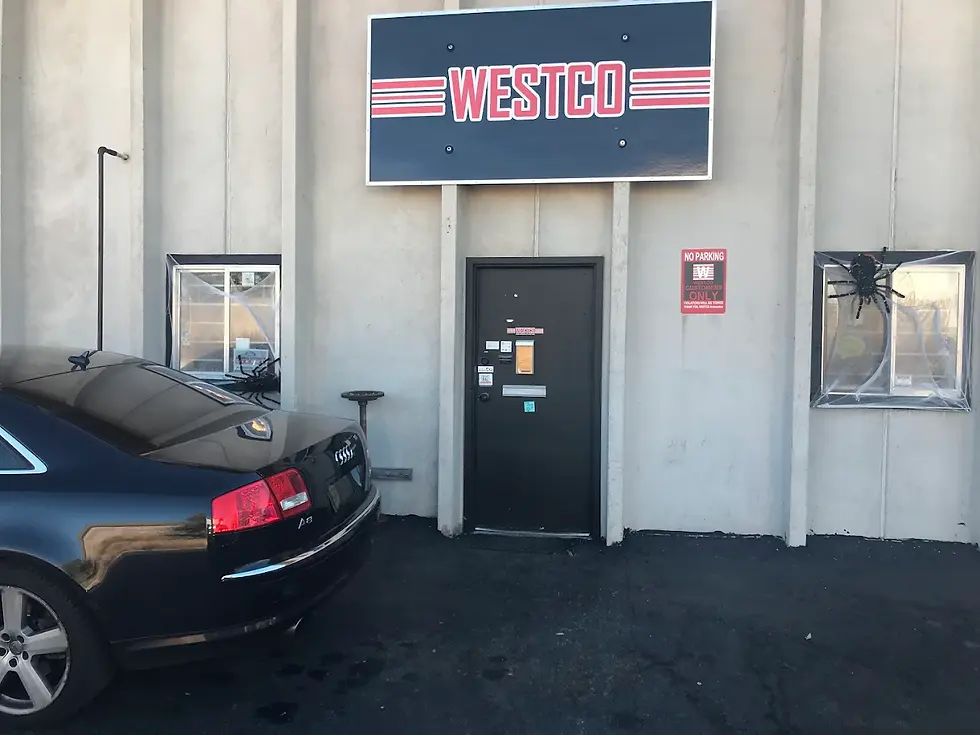
Audi repair westco automotive, 1130 Valley Street A/B, colorado springs, colorado 80915
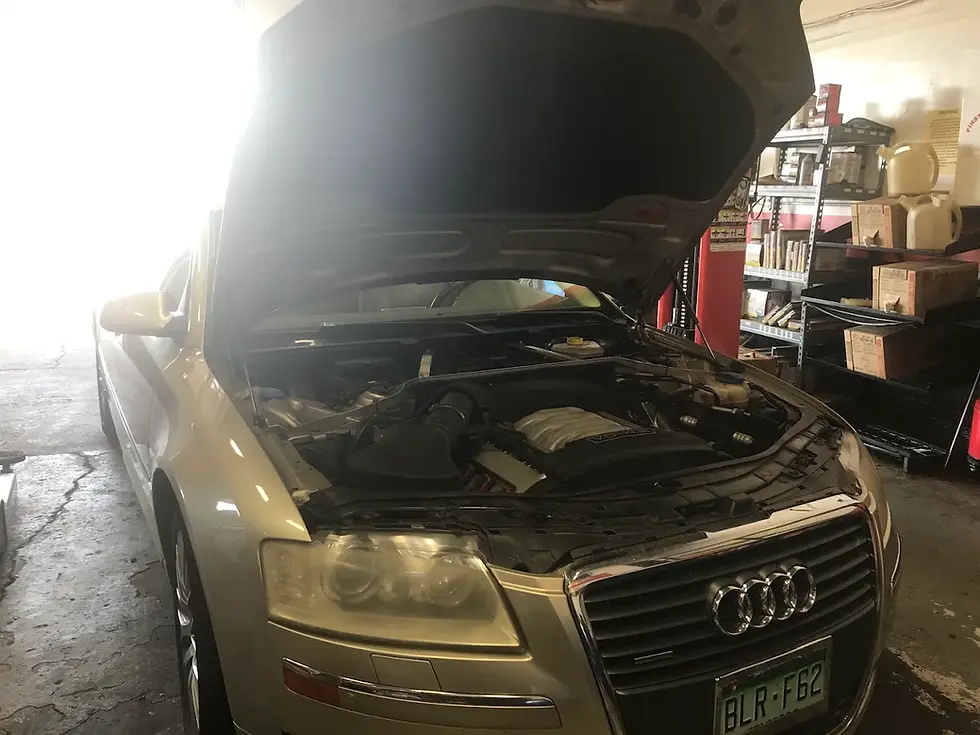
Audi A8 repair westco automotive, 1130 Valley Street A/B, colorado springs, colorado 80915

Audi A8 Oil Change westco automotive, 1130 Valley Street A/B, colorado springs, colorado 80915

Audi repair westco automotive, 1130 Valley Street A/B, colorado springs, colorado 80915

Audi repair westco automotive, 1130 Valley Street A/B, colorado springs, colorado 80915

Audi repair westco automotive, 1130 Valley Street A/B, colorado springs, colorado 80915
Why is my Audi 2.0T or 3.0T leaking coolant?
Coolant leaks are a common issue on many Audi 2.0T and 3.0T engines due to aging plastic cooling system components and high operating temperatures.
Over time, heat cycling and pressure can cause certain components in the cooling system to wear out or develop leaks.
Common causes include:
Water pump housing leaks due to aging plastic housings
Thermostat housing failure, which can crack or leak over time
Coolant pipe or flange leaks from plastic fittings becoming brittle
Radiator or hose leaks from normal wear
On some 3.0T engines, internal leaks in the supercharger intercooler cores may occur
Common symptoms:
Low coolant warning light
Coolant smell (sweet odor) under the hood or after driving
Visible coolant puddles under the vehicle
Engine running hotter than normal
Frequent need to top off coolant
How we diagnose coolant leaks
At Westco Automotive, we perform a full cooling system inspection, which may include:
Pressure testing the system
Inspecting hoses, housings, and seals
Checking water pump and thermostat operation
Evaluating intercooler systems on 3.0T engines
Why early repair matters
Coolant leaks can lead to overheating, reduced engine performance, and potential engine damage if not addressed promptly.
How often do Audi brake pads and rotors need to be replaced?
Brake wear on Audi vehicles varies depending on driving habits, vehicle weight, and whether the vehicle is equipped with Quattro all-wheel drive, which can increase braking demands.
Typical brake lifespan
Front brake pads: ~25,000–40,000 miles
Rear brake pads: ~35,000–60,000 miles
Rotors: Often last longer, but may need replacement every 50,000–70,000+ miles depending on wear, Audi rotors can not be re surfaced.
Driving in stop-and-go traffic, mountain driving, or aggressive braking can significantly shorten brake life.
Common signs your brakes need service:
Squeaking or squealing noises
Grinding sound when braking
Steering wheel vibration during braking
Longer stopping distances
Brake warning light on dashboard
Brake fluid maintenance
Brake fluid should typically be flushed every 2 years to maintain proper hydraulic performance and prevent internal corrosion in the braking system.
Our approach
At Westco Automotive, we inspect:
Brake pads and rotors
Calipers and hardware
Brake fluid condition
Hydraulic system performance
We use OEM or high-quality equivalent parts to ensure consistent stopping power and safety.
Why is my Audi air suspension not working properly?
Air suspension issues are common on certain Audi models, including the Q7 (2007–2015), A6 Allroad, and A8, as systems age and components wear out.
Most air suspension systems rely on a compressor, air struts, and a valve block to maintain proper ride height and comfort. When one of these components begins to fail, the system may not maintain correct pressure or leveling.
Common causes include:
Weak or failing air compressor that cannot build proper pressure
Leaking air struts causing the vehicle to sit low overnight or while parked
Faulty valve block that improperly distributes air
Air line leaks or cracked fittings
Electrical or sensor-related leveling issues
Common symptoms:
Vehicle sitting uneven or lower than normal
Suspension warning lights on the dashboard
Compressor running frequently or excessively
One corner of the vehicle dropping overnight
Rough or unstable ride quality
How we diagnose it
At Westco Automotive, we use specialized diagnostic tools and pressure testing equipment to identify exactly which part of the air suspension system is failing.
Repair options
Depending on the issue, repairs may include:
Replacing individual air struts
Repairing or replacing the air compressor
Replacing the valve block
Fixing air leaks or damaged lines
Addressing air suspension issues early can help prevent additional strain on the compressor and more expensive system-wide failures.
Why is my Audi Q5 sunroof leaking water?
Water leaks from the sunroof area on Audi Q5 models are typically caused by issues with the sunroof drainage system, rather than the glass itself.
Most Audi sunroofs are designed with drain tubes that channel water away from the roof and out of the vehicle. These drain lines run through the A-pillars and body structure.
Common causes include:
Clogged sunroof drain tubes from dirt, leaves, or debris
Blocked drain outlets preventing proper water flow
Overflow from restricted drainage during heavy rain or car washing
Cracked or disconnected drain hoses (less common)
What happens when drains clog
When the drain system becomes blocked, water can back up into the headliner and eventually leak into:
Interior carpets
Door panels
Electronic modules and wiring
Seat and floor areas
If left untreated, this can lead to electrical issues, mold growth, and interior damage.
Common symptoms:
Wet carpet after rain or car wash
Water dripping from headliner or A-pillars
Musty odor inside the cabin
Dampness near front or rear footwells
How we diagnose and fix it
At Westco Automotive, we:
Test sunroof drain flow
Clear clogged drain tubes
Inspect A-pillar routing for blockages or damage
Check for secondary water intrusion and electrical exposure
Prevention
Regular cleaning of sunroof tracks and keeping drain areas clear can help reduce the likelihood of future clogs.
What is the Audi DSG (S tronic) transmission service interval?
Audi’s DSG (Direct-Shift Gearbox), also known as S tronic, is a dual-clutch transmission that requires regular maintenance to stay reliable and perform properly.
In most Audi DSG applications, fluid and filter service is typically recommended around every 35,000 to 45,000 miles, depending on the specific model and driving conditions.
This service is important because the transmission operates under high pressure and heat. Over time, fluid breaks down and can affect shifting performance.
Common symptoms of overdue DSG service include:
Rough or delayed gear shifts
Hesitation when accelerating
Jerking at low speeds
Transmission warning lights
Reduced driving smoothness
Why this service matters
Neglecting DSG maintenance can increase wear on internal components and may eventually contribute to issues with the mechatronic unit, which controls shifting behavior.
What we do during service
At Westco Automotive, we use the correct Audi-spec DSG fluid and filters, and we perform necessary adaptations and reset procedures to help ensure smooth and precise shifting after service.
Why does my Audi vibrate at highway speeds?
Highway-speed vibration in Audi vehicles is usually caused by issues in the tires, wheels, steering, or suspension system. The vibration often becomes noticeable between 55–70 mph and may worsen under braking or acceleration.
Common causes include:
Worn or failing control arm bushings allowing excess suspension movement
Wheel imbalance or uneven tire wear
Bent or damaged wheels (even minor bends can cause vibration at speed)
Alignment issues affecting steering stability
Worn suspension components such as ball joints or tie rods
Brake rotor issues (if vibration is most noticeable while braking)
Common symptoms:
Steering wheel shaking at highway speeds
Vehicle vibration felt through the seat or floor
Vibration that changes with speed
Shuddering when braking from highway speeds
How we diagnose it
At Westco Automotive, we perform a comprehensive inspection of the steering, suspension, wheels, tires, and braking system. This allows us to pinpoint whether the issue is tire-related, wheel-related, or caused by worn suspension components.
Why early diagnosis matters
Ignoring vibration issues can lead to accelerated tire wear, further suspension damage, and reduced driving safety.
What is carbon buildup cleaning (walnut blasting) for Audi engines?
Carbon cleaning—often called walnut blasting—is a service used to remove carbon deposits from the intake valves of direct-injection engines such as Audi 2.0T and 3.0T platforms.
Unlike older port-injection engines, fuel in direct-injection systems does not pass over the intake valves. Over time, oil vapors and combustion byproducts can build up as hard carbon deposits on the valves and intake ports.
Why carbon buildup matters
When deposits accumulate, they can restrict airflow into the engine and affect performance.
Common symptoms include:
Rough or uneven idle
Reduced engine power
Poor fuel economy
Cold-start misfires
Sluggish acceleration
How walnut blasting works
Walnut blasting uses finely ground walnut shells and specialized equipment to safely clean the intake valves without damaging engine components. This restores airflow and helps the engine operate more efficiently.
When is it needed?
Carbon buildup severity varies depending on driving habits, mileage, and engine condition. Many Audi owners begin noticing symptoms between 60,000 and 100,000 miles, though some vehicles may need service earlier or later.
At Westco Automotive, we inspect for carbon buildup and recommend cleaning only when it is actually affecting engine performance.
When should Audi timing chains and tensioners be replaced?
On many Audi 2.0T engines from the late 2000s and early 2010s, timing chain tensioner issues are a known concern that can lead to serious engine damage if not addressed early.
The timing chain system is designed to last a long time, but the original tensioner design used in some models was prone to failure over time. If the tensioner fails, the timing chain can lose tension and skip timing, which may result in interlal engine damage.
Common warning signs include:
Rattling noise on cold start
Rough engine startup
Check engine light related to timing or camshaft correlation
Extended cranking before the engine starts
Recommended replacement timing
Many technicians recommend inspecting the system around 80,000–100,000 miles, especially if symptoms are present or if the vehicle still has the older tensioner design.
In many cases, updated tensioner designs significantly reduce the risk of failure and improve long-term reliability.
Professional recommendation
If you suspect timing chain noise or tensioner wear, it’s best to have it inspected early. Catching the issue before failure can prevent catastrophic engine damage and significantly reduce repair costs.
If you’d like, our Audi specialists can perform a full inspection and let you know the condition of your timing system.
Why is my 2.0T Audi burning excessive oil?
Excessive oil consumption is a known issue in some Audi 2.0T engines, particularly in certain model years from the late 2000s to mid-2010s.
In many cases, oil consumption is related to internal engine wear or carbon buildup, which can affect how well the piston rings seal inside the engine.When piston rings become worn or restricted, oil can enter the combustion chamber and burn during normal engine operation.
Common symptoms include:
Needing to add oil frequently (for example, every 500–1,000 miles)
Oil level warning light appearing between oil changes
Visible exhaust smoke in some cases
Reduced engine performance over time
How we diagnose it
At Westco Automotive, we perform oil consumption tests to measure how quickly oil is being used and help identify the underlying cause.
Possible solutions
Depending on the results, repairs may include:
Engine cleaning procedures in mild cases
Piston ring replacement in more severe cases
Engine repair or rebuild if internal wear is significant
The goal is to identify the root cause—not just add oil repeatedly.
If you're experiencing oil loss, it's best to have it inspected early to prevent long-term engine damage.
Interesting Information
Audi's "TDI" clean diesel technology won the prestigious 24 Hours of Le Mans race multiple times, proving that efficiency and performance can coexist. The brand's name is a Latin translation of founder August Horch's surname, which means "hark!"