


The Colorado Springs Car Buyers Guide to Buying a Used Asian Car: A Mechanic’s Advice

Updated: Aug 4
From Toyota to Kia — Your Expert Used Car Buyers Guide in Colorado Springs
Shopping for a used vehicle in Colorado Springs? You are making a smart choice by looking at Asian automakers. Brands like Toyota, Honda, Subaru, and Mazda have built reputations for reliability. This is essential when you are dealing with Pikes Peak elevations, steep mountain grades, and freezing winter mornings.
But here is the truth we see every day at Westco Automotive: Every manufacturer has its weak spots.
Even the most dependable engines have specific failure points that can turn a "great deal" into a massive repair bill. Shoppers often focus on the model name—like a Camry or a CR-V—and forget that the engine under the hood dictates how reliable that car will actually be.
After inspecting and repairing thousands of vehicles right here in Colorado Springs, we know exactly what goes wrong, when it breaks, and how much it costs to fix. Here is our mechanic’s guide to the most common engine issues by manufacturer, so you can shop smart.
Why Engine Families Matter More Than Model Names
When car shoppers look at used vehicles, they often focus on the model—"I want a Camry" or "I'm looking at a CR-V." But experienced buyers and mechanics know that the engine under the hood matters more than the badge on the trunk.
For example, a 2010 Toyota Camry with the 2.4L 2AZ-FE engine has very different reliability characteristics than a 2010 Camry with the 3.5L 2GR-FE V6. Knowing which engine is in the car you're considering can save you thousands.
Toyota & Lexus Gas Engines
2AZ-FE 2.4L I4
(Camry, RAV4, Scion tC, Lexus ES240 – 2002-2015)

The Good: These engines are otherwise bulletproof and can easily exceed 200,000 miles with proper care.
The Bad:
Oil consumption (piston ring issue): Excessive oil consumption—up to 1 quart per 1,000 miles. Failed low-tension piston rings are the culprit. Toyota issued an extended warranty/TSB, but many vehicles are now outside the coverage period. Often requires piston ring replacement or engine rebuild.
Head bolt threads pulling from block: Cylinder head bolts strip threads in the aluminum block, causing head gasket failure. Requires Time-Sert thread repair or, in severe cases, engine replacement.
VVT-i oil line failure (2007-2009): Rubber oil line cracks and leaks. Updated steel line is the fix.
Shopping Tip: If you're looking at a 2AZ-powered vehicle, check the oil level regularly during a test drive. Blue smoke from the exhaust or a burning oil smell are red flags.
1ZZ-FE 1.8L I4
(Corolla, Matrix, Celica, MR2 – 1998-2008)

The Good: Millions of these engines are still on the road. They're simple, cheap to maintain, and generally reliable.
The Bad:
Pre-catalytic converter failure: The pre-cat breaks apart and gets ingested into the engine, causing cylinder scoring and oil consumption. Updated ECU programming and exhaust manifold replacement are required fixes.
Shopping Tip: Listen for a rattling noise from the exhaust on cold starts—it could indicate a failing pre-cat. Avoid modified examples with aftermarket exhausts that may have removed the pre-cat.
2GR-FE 3.5L V6
(Camry, Highlander, Sienna, RAV4, Lexus ES/RX – 2005-present)

The Good: One of Toyota's most reliable V6 engines. Many examples exceed 300,000 miles.
The Bad:
Oil cooler line failure (2007-2011): Rubber oil cooler hose leaks, creating an engine fire risk. Updated metal pipe recall is available.
Water pump failure: Water pump weeps or leaks. Common replacement every 60k-90k miles.
VVT-i oil line (early 2GR): Same rubber line issues as 2AZ.
Shopping Tip: Look for service records showing water pump replacement and the oil cooler line recall completion. Both are relatively inexpensive fixes but indicate a well-maintained vehicle.
1UR/3UR V8
(Tundra, Sequoia, Land Cruiser, Lexus LS/LX)
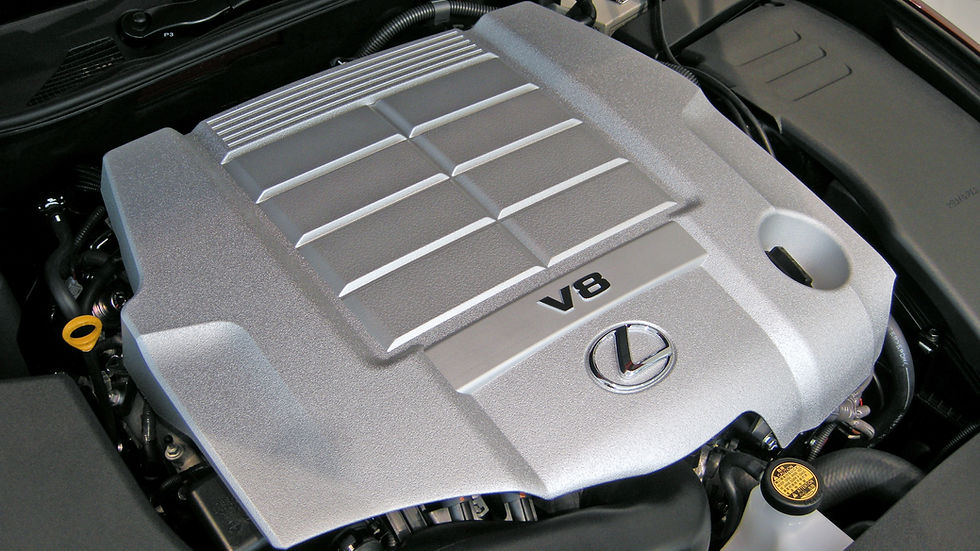
The Good: These are among the most durable V8s ever built. They power vehicles regularly exceeding 300,000 miles.
The Bad:
Cam tower leaks: Oil leaks from cam tower sealing. Expensive repair requiring intake manifold and timing cover removal.
Secondary air injection system failure: Pumps and valves fail (especially on Tundra/Sequoia). Expensive repair; bypass kits available for non-emissions areas.
Shopping Tip: Check for oil residue on the engine block and around the cam towers. Listen for unusual noises from the secondary air injection pump on cold start.
A25A-FKS 2.5L I4
(Current Camry, RAV4, Lexus ES – 2017-present)

The Good: Modern, efficient, and generally reliable.
The Bad:
Fuel pump failure: Low-pressure fuel pump in tank fails, causing stalls and no-start. Recall on many models.
Coolant bypass valve failure: Electric coolant valve for engine warm-up fails, triggering check engine light.
Shopping Tip: Confirm any fuel pump recalls have been completed. Ask about the vehicle's service history for the coolant bypass valve.
K-Series (K20, K24)
(Civic Si, Accord, CR-V, TSX, ILX – 2002-present)

The Good: Honda's K-series is legendary. These engines are durable, respond well to maintenance, and can easily exceed 200,000 miles.
The Bad:
VTC actuator rattle on cold start: Variable Timing Control actuator fails, causing a grinding/rattling noise on startup. Common but not catastrophic; updated actuator required.
Timing chain tensioner failure: Oil pressure-driven tensioner fails, causing chain slap and potential jumping.
Oil consumption (K24): Excessive oil consumption on some years due to piston ring issues.
VTEC solenoid gasket leak: Gasket fails, causing oil leaks down the back of the engine.
Shopping Tip: Cold-start rattle is the most common warning sign. Listen carefully when starting the car from cold. A 1-2 second rattle indicates the VTC actuator is failing.
J-Series V6 (J30, J35, J37)
(Accord, Odyssey, Pilot, MDX, TL, RL – 1998-present)

The Good: Powerful, smooth, and capable of high mileage with proper care.
The Bad:
Timing belt service: Critical maintenance every 7 years or 100k miles. Interference engine means belt failure destroys valves.
Oil pump seal failure (front crank seal): Seal leaks; transmission removal often required for access on transverse applications.
VCM (Variable Cylinder Management) issues: Cylinder deactivation causes oil consumption and spark plug fouling. Piston ring issues. VCM muzzler/disabler is common aftermarket fix.
Power steering pump and hose leaks: Common leaks; o-ring at pump inlet is a simple fix.
Shopping Tip: Ask for proof of timing belt replacement. If the seller can't provide it and the vehicle is over 100k miles, factor $1,000+ into your purchase price. Consider a VCM disabler as preventative maintenance after purchase.
L-Series (L15)
(Civic, Fit, HR-V – 2006-present)
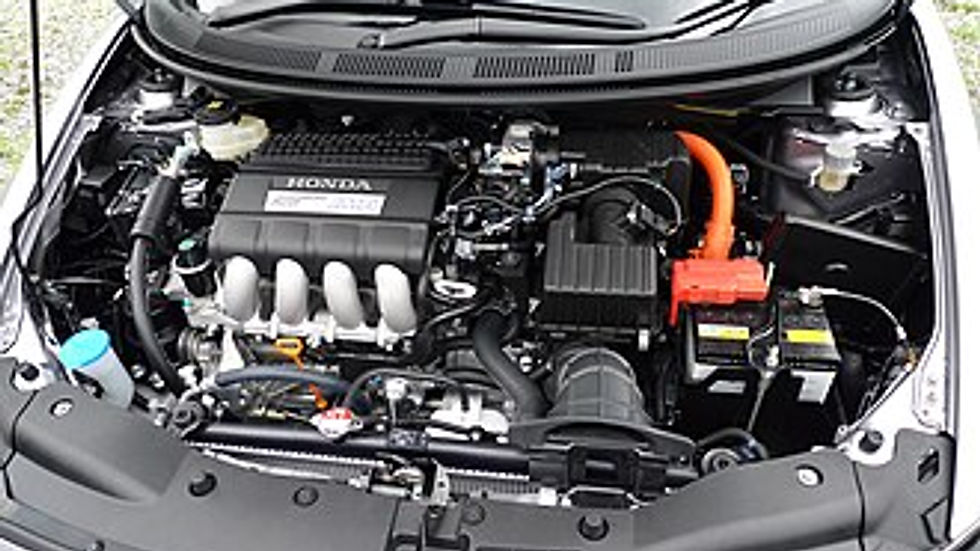
The Good: Efficient, lightweight, and generally reliable.
The Bad:
Fuel injector failure (L15B7 turbo): Direct injection injectors fail, causing misfires and check engine light. Expensive replacement.
Carbon buildup (direct injection): Intake valve deposits cause rough idle and loss of power. Requires walnut blasting.
Oil dilution (L15B7 turbo): Fuel dilutes engine oil. Short trips exacerbate the issue. Updated ECU programming partially addresses.
Shopping Tip: Check the oil level and smell the dipstick for a gasoline odor—a sign of oil dilution. Consider carbon cleaning around 60k-80k miles.
Nissan & Infiniti Gas Engines
VQ35 / VQ37 3.5L & 3.7L V6
(Altima, Maxima, 350Z, 370Z, G35, G37, FX35, Q50 – 2000-2020)

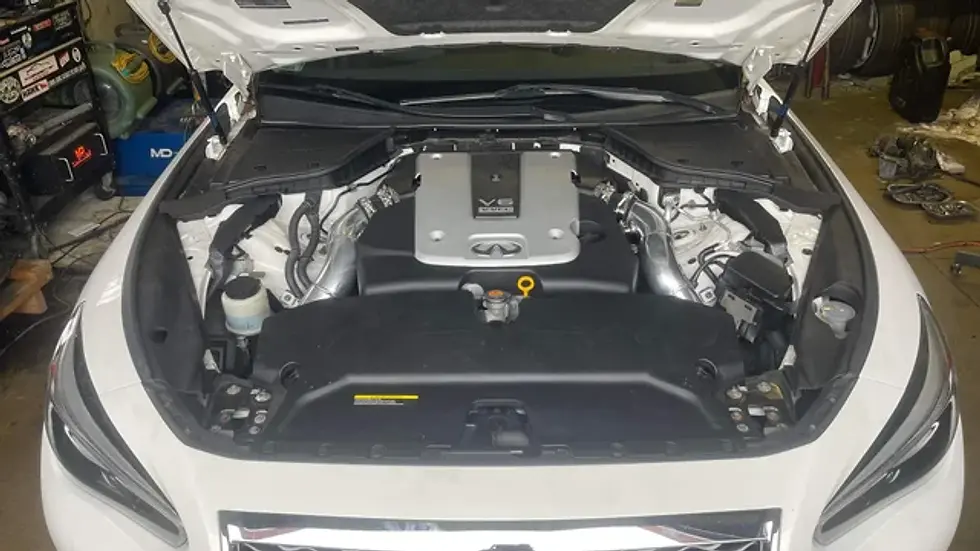
The Good: One of the most famous engine families in automotive history. Smooth, powerful, and durable.
The Bad:
Oil consumption: Excessive oil consumption (especially VQ35DE and VQ37VHR). Piston rings and valve seals are common culprits.
Timing chain tensioner failure: Tensioners fail, causing chain slap and rattle on startup.
Crankshaft position sensor failure: Common failure causing intermittent stalling and no-start.
Heated oxygen sensor failures: O2 sensors fail frequently, triggering check engine lights.
Shopping Tip: Listen for timing chain rattle on cold start—especially important on higher-mileage examples. Check for oil consumption between changes.
QR25DE 2.5L I4
(Altima, Sentra, Rogue, Xterra – 2001-2017)

The Good: Decent fuel economy and adequate power for daily driving.
The Bad:
Pre-catalytic converter failure: Pre-cat breaks apart; debris sucked back into engine causes scoring. Common in 2002-2006 Sentra SE-R/Spec V.
Timing chain stretch: Cam timing correlation codes; chain and tensioner replacement required.
Shopping Tip: Avoid heavily modified examples. Listen for timing chain rattle on startup.
VK56 V8
(Armada, Titan, QX56, QX80 – 2004-present)

The Good: Powerful and durable for large SUVs and trucks.
The Bad:
Exhaust manifold cracking: Manifolds crack, causing exhaust tick on cold start. Expensive replacement.
Secondary air injection failure: Pumps and valves fail—same issues as Toyota V8s.
Shopping Tip: Listen for exhaust ticking on cold start. Check for secondary air injection system codes.
Subaru Gas Engines
EJ25 2.5L Boxer
(Impreza, Legacy, Outback, Forester, WRX – 1999-2012)

The Good: The EJ25 powered some of Subaru's most iconic models.
The Bad:
Head gasket failure (external leak): VERY common external oil or coolant leak. Not usually internal overheating, but messy. Requires replacement with multilayer steel (MLS) gaskets.
Piston ringland failure (turbo – WRX/STI): Weak cast pistons crack on ringland, causing compression loss and oil consumption. Forged pistons are the fix.
Timing belt service (interference engine): Belt failure destroys valves. Critical every 105k miles.
Oil consumption (naturally aspirated): Piston ring and valve seal issues.
Shopping Tip: Head gasket failure is the biggest concern. Look for external oil or coolant leaks around the cylinder heads. Ask for proof of timing belt replacement.
FB20 / FB25 2.0L & 2.5L Boxer
(Impreza, Legacy, Outback, Forester, Crosstrek, BRZ – 2012-present)


The Good: More efficient and refined than the EJ series.
The Bad:
Oil consumption (FB25): Excessive oil consumption; piston ring issues. Subaru extended warranty/class action.
Cam carrier leaks: Oil leaks from cam carriers. Engine-out repair on many models.
Chain tensioner and timing cover leaks: Leaks from timing cover and tensioner issues.
Valve spring recall (FA20 – BRZ, FR-S): Valve springs can break, causing engine failure. Massive recall.
Shopping Tip: Check oil levels regularly. Look for oil residue around the cam carriers. Confirm the valve spring recall has been completed on BRZ/FR-S models.
Mazda Gas Engines
L-Series MZR (2.0L, 2.3L, 2.5L)
(Mazda3, Mazda6, CX-7, CX-9, MX-5 Miata – 2003-2013)


The Good: Fun to drive and generally reliable.
The Bad:
Engine mount failure (rear mount): Hydraulic mount collapses, causing clunking and vibration on acceleration.
Variable valve timing actuator (2.3L DISI turbo): VVT actuator failure causes rattle on cold start. Common on Mazdaspeed3 and CX-7.
Smoking turbo (2.3L DISI turbo): Turbo seals fail, causing blue smoke on startup and deceleration.
Purge valve failure: Evaporative system codes cause rough idle after fueling.
Shopping Tip: Listen for rattle on cold start. Check for blue smoke from the exhaust on turbo models. Test for vibration during acceleration.
SkyActiv-G 2.0L, 2.5L
(Mazda3, Mazda6, CX-5, CX-9 – 2012-present)

The Good: Mazda's SkyActiv technology is reliable and fuel-efficient.
The Bad:
Cracked cylinder head (2.5L NA): Cracks between valve seats, causing coolant loss and misfire. Requires cylinder head replacement.
Carbon buildup (direct injection): Less severe than competitors due to 4-2-1 exhaust header keeping intake valves hotter, but still occurs.
Belt tensioner failure: Tensioner leaks oil or fails, causing belt noise and fluttering.
Coolant control valve failure: Electronic thermostat for fast warm-up fails, triggering check engine light.
Shopping Tip: Check for coolant loss and misfire codes. Listen for belt noise on startup.
Hyundai / Kia / Genesis Gas Engines*
Theta II 2.4L GDI / 2.0T GDI
(Sonata, Optima, Sorento, Santa Fe, Sportage, Genesis Coupe – 2009-2019)

The Good: These vehicles offer excellent value and features.
The Bad:
Connecting rod bearing failure: Catastrophic engine failure. Knocking noise followed by seizure. Massive recall/class action. Engine replacement under lifetime warranty for many.
Excessive oil consumption: Piston ring issues often lead to bearing failure if oil runs low.
Knock sensor detection system (KSDS): Software update to detect bearing noise before failure; limits engine power.
Shopping Tip: This is the most serious engine issue on this list. Check if the vehicle has had the KSDS update and any engine replacement. Listen for knocking noises.
Nu 2.0L GDI
(Elantra, Forte, Soul, Kona – 2011-2019)

The Good: Economical and widely available.
The Bad:
Piston ring failure / oil consumption: Excessive oil consumption often leads to catalytic converter failure.
Catalytic converter failure: Oil consumption destroys cats, triggering check engine light and loss of power.
Shopping Tip: Check oil consumption between changes. A failing catalytic converter may trigger a P0420 code.
Lambda II 3.3L / 3.8L GDI V6
(Genesis, Azera, Cadenza, K900, Stinger, G70, G80, Palisade, Telluride – 2010-present)
The Good: Powerful V6s with good reliability when maintained.
The Bad:
Oil pressure switch leaks: Switch leaks oil into wiring harness; oil wicks up to ECU causing damage.
Fuel injector failure (direct injection): Misfires and rough running.
Timing chain stretch: Correlation codes on higher-mileage examples.
Shopping Tip: Check for oil residue around the oil pressure switch. Listen for timing chain noise.
Mitsubishi Gas Engines
4G63 2.0L Turbo
(Eclipse GSX/GST, Lancer Evolution I-IX – 1989-2007)
The Good: One of the most famous turbocharged engines ever built.
The Bad:
Crank walk: Thrust bearing failure. Crankshaft moves axially, destroying crank position sensor and engine.
Lifter tick: Hydraulic lash adjusters collapse, causing ticking noise.
Timing belt failure (interference): Critical maintenance every 60k miles. Belt failure destroys engine.
Shopping Tip: Avoid heavily modified examples unless you're a dedicated enthusiast. Listen for ticking noises and check timing belt history.
4B11 2.0L
(Lancer, Outlander Sport, RVR – 2008-2017)
The Good: Modern, efficient replacement for the 4G63.
The Bad:
Timing chain stretch: Codes and rattle; chain and tensioner replacement.
Intake carbon buildup: Direct injection deposits require walnut blasting.
Shopping Tip: Listen for timing chain rattle on startup.
Summary: What to Watch For by Brand
| Brand | Most Critical Issue | What to Look For |
|----------------------|-----------------------------------------|----------------------------------------------|
| Toyota/Lexus | 2AZ oil consumption, 2GR water pump, V8 cam tower leaks | Blue smoke, oil consumption, oil residue on engine |
| Honda/Acura | VTC actuator rattle, VCM issues, timing belt maintenance | Cold-start rattle, oil consumption, belt service records |
| Nissan/Infiniti | VQ oil consumption, QR pre-cat failure | Oil consumption, timing chain noise |
| Subaru | EJ25 head gaskets, FB cam carrier leaks | External oil/coolant leaks, oil consumption |
| Mazda | SkyActiv cracked cylinder heads, turbo issues | Coolant loss, misfire codes, blue smoke |
| Hyundai/Kia/Genesis | Theta II bearing failure, oil consumption | Knocking noise, KSDS update, oil consumption |
| Mitsubishi | 4G63 timing belt, crank walk | Timing belt history, ticking noises |
WESTCO Automotive & Truck: Your Asian Vehicle Specialists in Colorado Springs
At Westco Automotive, we've seen it all. Our experienced technicians know the specific failure points of every Asian engine family—and we have the factory-level diagnostic tools to pinpoint issues before they become catastrophic.
What sets us apart:
Transparent diagnostics with multiple repair options
OEM and quality equivalent parts for long-lasting repairs
Honest recommendations—we never recommend unnecessary services
A trusted alternative to dealerships with better pricing and personal service
Contact us:
Location: 1130 Valley Street A/B, Colorado Springs, CO 80915
Phone: 719-591-7743
Email: dra@westcoautomotive.com
Book Online: https://www.westcoautomotive.com/book-appointment
Comments